Unit 4: Environmental Pollution
1. Introduction to Environmental Pollution
Definition:
Environmental pollution is defined as the undesirable change in the physical, chemical, or biological characteristics of air, water, or land that causes harmful effects on human health, living organisms, and natural resources.
Pollutants:
A substance that causes pollution is called a pollutant.
- Biodegradable Pollutants: Decompose rapidly by natural processes (e.g., sewage, paper, kitchen waste).
- Non-biodegradable Pollutants: Do not decompose or decompose very slowly (e.g., plastics, heavy metals like mercury and lead, DDT).
2. Air Pollution
Definition
The presence of foreign substances (gases, particulate matter) in the atmosphere at concentrations harmful to human health and the environment.
Types and Causes
- Primary Pollutants: Emitted directly from a source.
- Examples: Carbon Monoxide (CO), Sulfur Dioxide (SO₂), Nitrogen Oxides (NOx), Particulate Matter (PM).
- Secondary Pollutants: Formed by interactions between primary pollutants in the atmosphere.
- Examples: Ground-level Ozone (O₃), PAN (Peroxyacetyl nitrate), Acid Rain.
Major Sources:
- Automobiles: Release CO, NOx, and hydrocarbons.
- Industries: Thermal power plants release SO₂ and fly ash.
- Agriculture: Burning crop residue (stubble burning) releases methane and smoke.
Effects
- Human Health: Respiratory diseases (asthma, bronchitis), lung cancer, eye irritation. Carbon monoxide reduces the oxygen-carrying capacity of blood.
- Vegetation: Chlorosis (loss of chlorophyll), necrosis (tissue death).
- Materials: Corrosion of metals, discoloration of painted surfaces, damage to monuments (e.g., Taj Mahal).
Control Measures
- Source Correction: Using unleaded petrol, switching to CNG.
- Equipment:
- Cyclone Separators: Uses centrifugal force to remove particles.
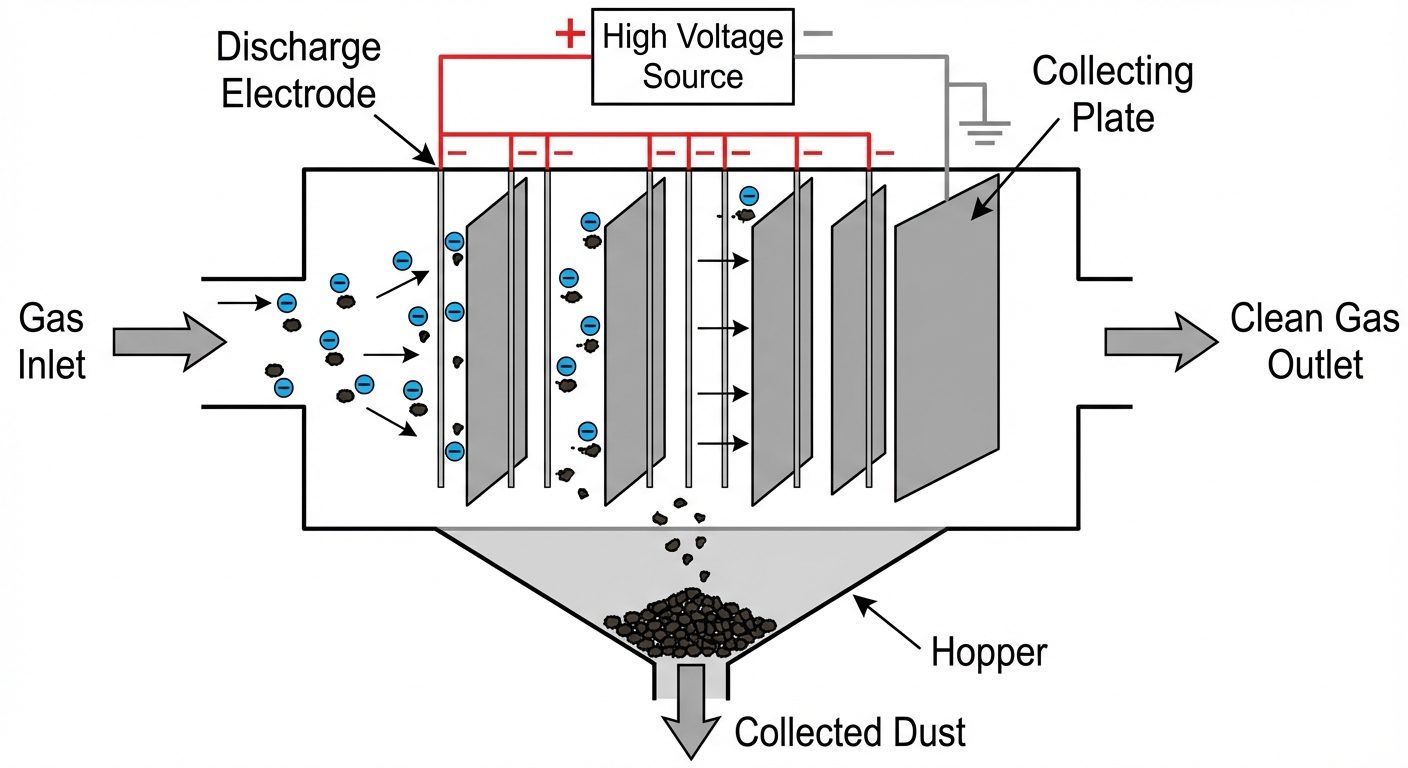
- Electrostatic Precipitators (ESP): Removes 99% of particulate matter from industrial exhaust using electrical fields.
- Scrubbers: Removes gases like SO₂ by passing gas through a water/lime spray.
- Catalytic Converters: Fitted in cars to convert CO and NOx into less harmful CO₂ and N₂.
3. Water Pollution
Definition
Alteration in physical, chemical, or biological characteristics of water making it unsuitable for designated use in its natural state.
Types and Causes
- Point Sources: Discharged from a specific, identifiable location (e.g., factory discharge pipe).
- Non-Point Sources: Diffuse sources (e.g., agricultural runoff containing fertilizers).
Major Pollutants:
- Organic Wastes: Sewage, food processing waste (increases Biological Oxygen Demand - BOD).
- Pathogens: Bacteria and viruses causing typhoid, cholera.
- Agrochemicals: Nitrates and phosphates leading to eutrophication.
- Heavy Metals: Mercury, Lead, Arsenic from industrial effluents.
Effects
- Eutrophication: Excessive nutrients cause algal blooms, depleting oxygen and killing aquatic life.
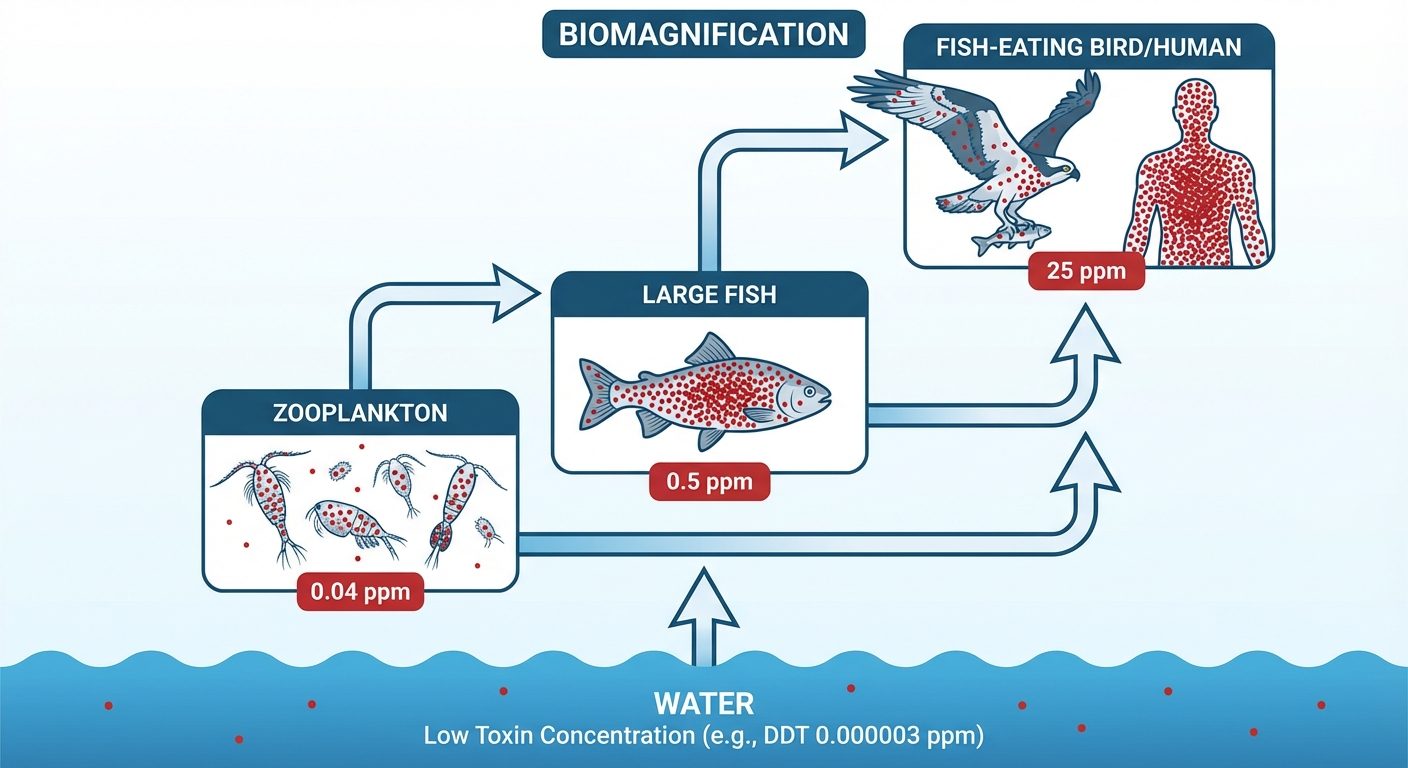
- Bioaccumulation/Biomagnification: Toxins (like DDT or Mercury) increase in concentration as they move up the food chain.
- Waterborne Diseases: Cholera, Dysentery, Hepatitis.
Control Measures
- Wastewater Treatment Plants (WWTP/STP):
- Primary: Physical removal of solids (screening, sedimentation).
- Secondary: Biological treatment (activated sludge process) to reduce BOD.
- Tertiary: Chemical treatment (chlorination, UV) to kill pathogens.
4. Soil Pollution
Causes
- Industrial Waste: Dumping of fly ash, heavy metals, and chemical sludge.
- Agrochemicals: Excessive use of pesticides, insecticides, and chemical fertilizers reduces soil fertility.
- Urban Waste: Non-biodegradable plastics and medical waste.
Effects
- Loss of Fertility: Imbalance in soil microorganisms.
- Groundwater Contamination: Chemicals leach into the water table.
- Health Hazards: Consumption of crops grown in polluted soil leads to chronic diseases.
Control Measures
- Organic Farming: Use of bio-fertilizers and manure.
- Bioremediation: Using microbes to degrade pollutants.
- Proper Disposal: Sanitary landfills and incineration of hazardous waste.
5. Noise Pollution
Definition
Unwanted or unpleasant sound that causes discomfort. Measured in Decibels (dB). Sounds above 80 dB are generally considered hazardous.
Causes
- Industrial: Heavy machinery, generators.
- Transport: Traffic, aircraft, railways.
- Social Events: Loudspeakers, fireworks.
Effects
- Auditory: Temporary or permanent hearing loss (Tinnitus).
- Physiological: Hypertension, increased heart rate.
- Psychological: Stress, anxiety, sleep disturbance.
Control
- Source Control: Lubrication of machines, silencers.
- Transmission Control: Soundproofing buildings, planting Green Belts (trees absorb sound).
- Legislation: Bans on loudspeakers after certain hours.
6. Radiation and Nuclear Pollution
Types
- Ionizing Radiation: X-rays, Gamma rays (high energy, causes DNA damage).
- Non-ionizing Radiation: UV rays, microwaves (lower energy).
Sources
- Nuclear power plants (accidents or leaks).
- Nuclear weapon testing.
- Mining of radioactive ores (Uranium).
- Medical waste (Radioisotopes).
Effects
- Somatic: Burns, fatigue, cancer, sterility.
- Genetic: Mutations passed to future generations (teratogenic effects).
Control
- Thick concrete/lead shielding for reactors.
- Safe disposal of radioactive waste in deep geological repositories.
7. Emerging Pollutants & Fireworks
Emerging Pollutants
New chemicals without established regulatory standards that pose risks.
- Microplastics: Found in oceans and human blood.
- Pharmaceuticals: Antibiotics entering water bodies causing superbugs.
- E-Waste: Heavy metals from discarded electronics.
Fireworks and Ill-effects
Fireworks release particulate matter (PM2.5, PM10) and toxic metals.
- Copper: Blue flame (Respiratory irritant).
- Cadmium: Batteries/fireworks (Kidney damage).
- Barium: Green flame (Radioactive isotopes).
- Impact: Massive spike in Air Quality Index (AQI) post-festivals, distress to animals due to noise.
8. Global Environmental Issues
Global Warming & Climate Change
- Mechanism: Greenhouse gases (CO₂, Methane, CFCs, Nitrous Oxide) trap heat from the sun in the troposphere, preventing it from escaping back to space.
- Effects:
- Melting of polar ice caps and glaciers.
- Sea level rise threatening coastal cities.
- Extreme weather events (hurricanes, droughts).
- Shift in agricultural zones.
Ozone Layer Depletion
- The Ozone Shield: Stratospheric Ozone (O₃) protects Earth from harmful UV-B radiation.
- Causes: Chlorofluorocarbons (CFCs) from refrigerators and aerosols release Chlorine atoms. One Chlorine atom can destroy 100,000 Ozone molecules.
- Effects: Skin cancer (melanoma), cataracts, suppression of immune systems, damage to phytoplankton.
- Control: Montreal Protocol (phasing out CFCs).
Acid Rain
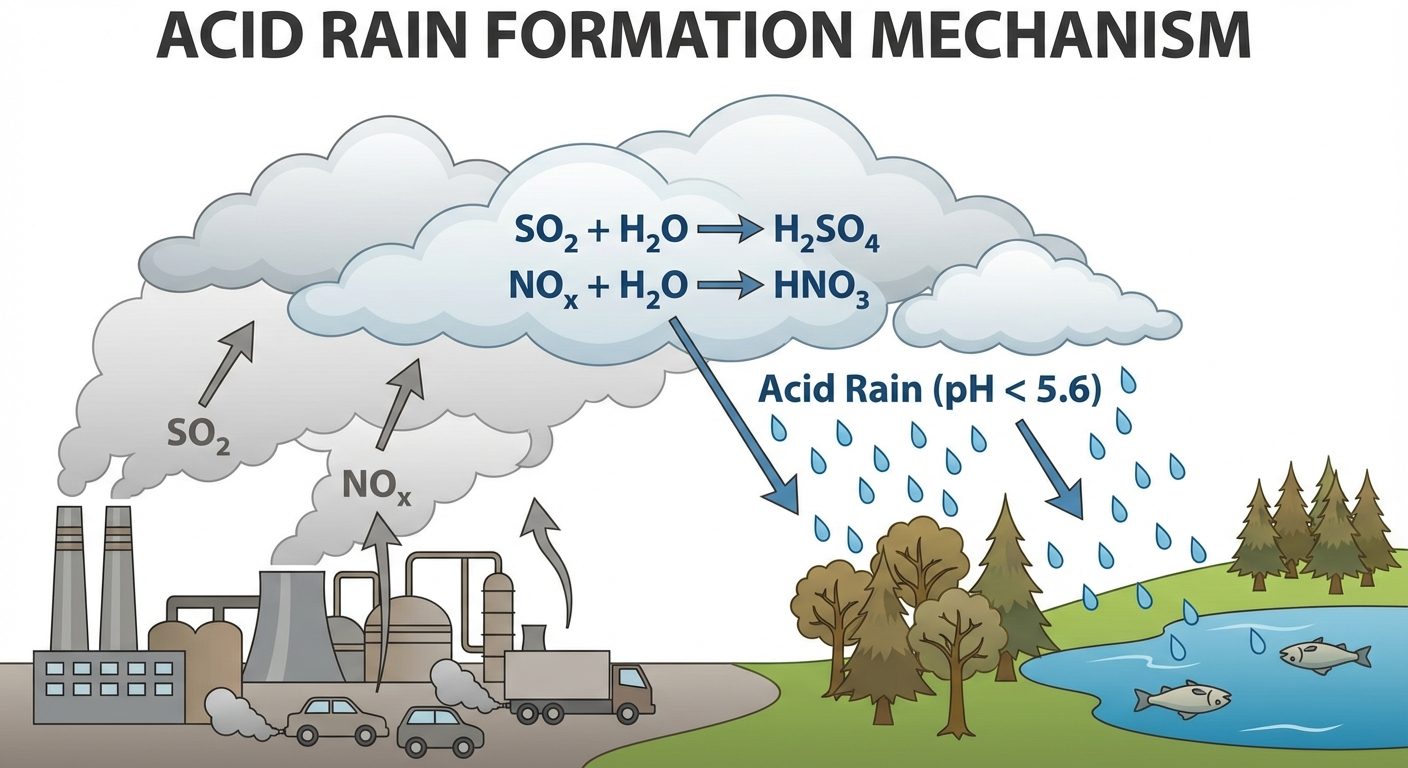
- Formation: SO₂ and NOx react with water vapor to form Sulfuric Acid (H₂SO₄) and Nitric Acid (HNO₃).
- pH Level: Rain with pH less than 5.6.
- Impacts:
- Agriculture: Acidity damages root systems and leaches nutrients.
- Humans: Skin irritation, respiratory issues.
- Structures: "Stone Leprosy" (Corrosion of marble/limestone).
9. Solid Waste Management (SWM)
Urban and Industrial Waste
- Municipal Solid Waste (MSW): Household trash, commercial waste.
- Industrial Waste: Chemical sludge, ash, packaging.
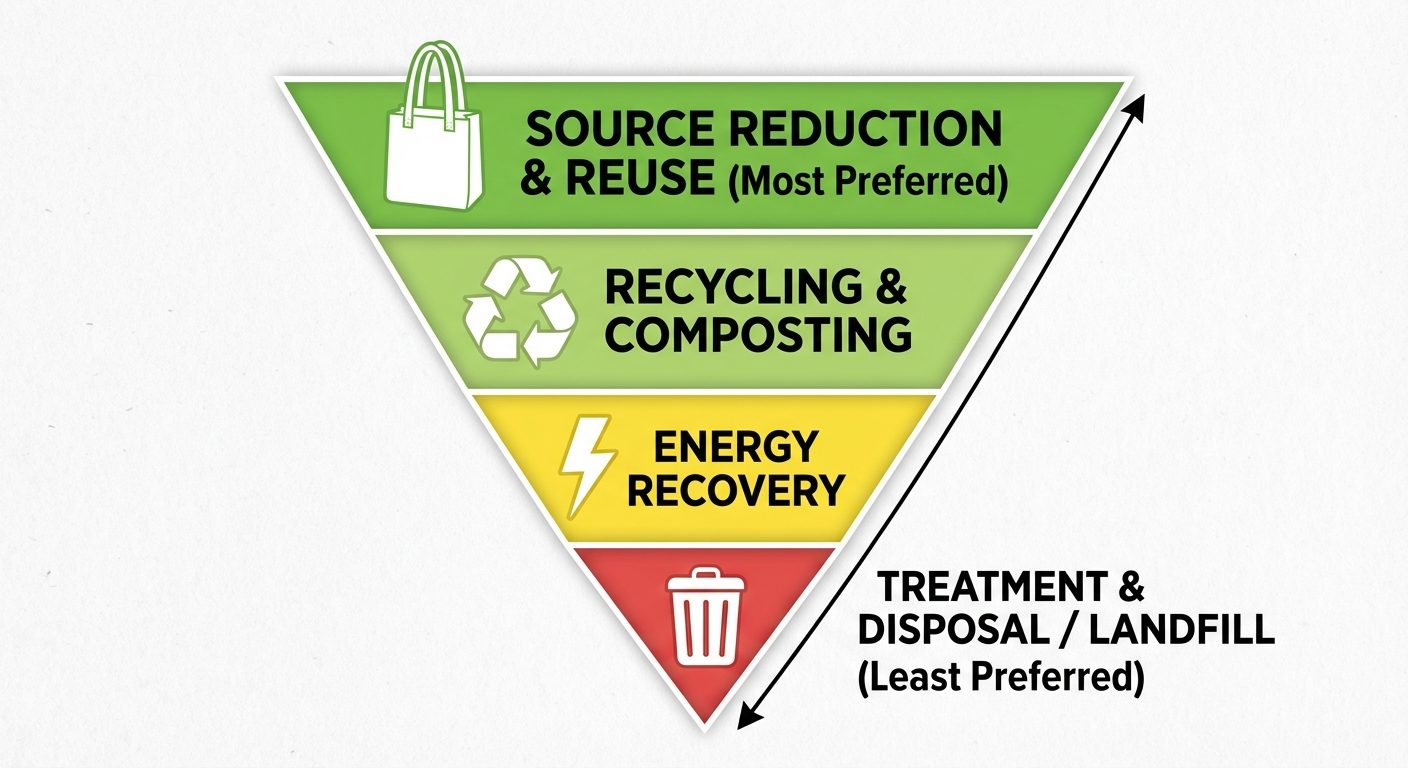
Control Measures (The Hierarchy)
- Source Reduction (Refuse/Reduce): Minimizing waste generation.
- Reuse: Using items again (e.g., glass bottles).
- Recycle: Processing waste into new raw materials (paper, plastic, metal).
- Recovery: Energy generation from waste (Waste-to-Energy plants).
- Disposal:
- Sanitary Landfills: Lined pits to prevent leaching.
- Incineration: Controlled burning (reduces volume, but produces smoke).
- Composting/Vermicomposting: Using earthworms to convert organic waste into manure.
10. Case Studies on Pollution
1. Bhopal Gas Tragedy (Air/Industrial)
- Date: Dec 2-3, 1984.
- Location: Union Carbide India Ltd, Bhopal.
- Event: Leakage of Methyl Isocyanate (MIC) gas.
- Impact: Thousands died instantly; long-term genetic defects, blindness, and respiratory failure in survivors. It highlights the need for strict industrial safety norms.
2. Minamata Disease (Water)
- Location: Minamata Bay, Japan (1950s).
- Pollutant: Methyl Mercury released by Chisso Corporation.
- Pathway: Bioaccumulation in fish → eaten by humans.
- Symptoms: Numbness, muscle weakness, damage to hearing and speech, paralysis.
3. Chernobyl Disaster (Radiation)
- Date: 1986.
- Location: Ukraine (USSR).
- Event: Explosion in Reactor 4 leading to massive radioactive release (Cesium-137, Iodine-131).
- Impact: Immediate deaths, significant increase in thyroid cancer, creation of a permanent exclusion zone.
4. The Ganga Pollution Case (River)
- Issues: Sewage discharge, industrial effluents (tanneries in Kanpur), religious offerings.
- Intervention: Namami Gange Programme. Focuses on setting up Sewage Treatment Plants (STPs) and river surface cleaning.
Did this save you a night before the exam?
LPU Notes is free, and it stays free. Ads cover part of the server bill. The rest comes out of a student's own pocket: the domain, the storage, and keeping the site up through the weeks everyone needs it at once.
The payment button didn't load. An ad blocker or a filtered network is the usual reason. to try again.
Nothing here is ever locked, and nothing unlocks. Chip in only if it was worth it. What it pays for →